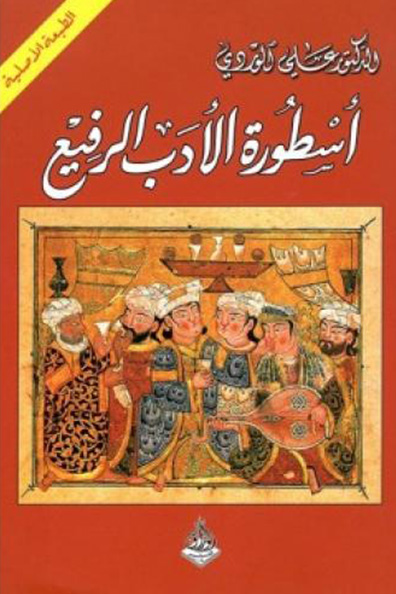
Book page
The Myth of High Literature
.
A daring intellectual rebellion launched by the brilliant sociologist Dr. Ali Al-Wardi against linguistic conservatism, dismantling "the myth of high literature" and calling for a living literature that reflects societal struggles rather than hollow verbal pretension.
About this book
In his highly provocative and debate-sparking book, "The Myth of High Literature," Dr. Ali Al-Wardi targets the literary elite who have confined creativity to rigid, ancient grammatical structures and classical rhetoric detached from daily life. Al-Wardi presents a revolutionary sociological perspective: literature is not a mere linguistic luxury or social vanity designed for elite salons; it is an expressive tool that must serve society and resonate with the struggles of the common man.
With his trademark satirical, bold, and fluid prose, Al-Wardi attacks "linguistic priesthood" and the obsession with pedantic rules that alienate the masses from embracing knowledge. The book redefines the concept of literary beauty by linking it to social utility and the capacity for change, making it one of the most vital texts on the true human mission of writing and literature.
With his trademark satirical, bold, and fluid prose, Al-Wardi attacks "linguistic priesthood" and the obsession with pedantic rules that alienate the masses from embracing knowledge. The book redefines the concept of literary beauty by linking it to social utility and the capacity for change, making it one of the most vital texts on the true human mission of writing and literature.
Why read it?
To liberate yourself from the blind sanctification of dry, classical rhetoric and perceive literature as a living, breathing reflection of your reality. This book empowers you with a fresh critical awareness to distinguish between empty, glittering wordplay and authentic literature that stirs the soul and drives social change.
Who is it for?
For writers, poets, critics, enthusiasts of linguistics and sociology, and any reader seeking to break traditional cognitive patterns and comprehend the deep, dialectical relationship between linguistic evolution and societal development.
Book details
Language
ar
ISBN-13
9789933493769
ISBN-10
9933493760
Page count
336
Age rating
General