Book page
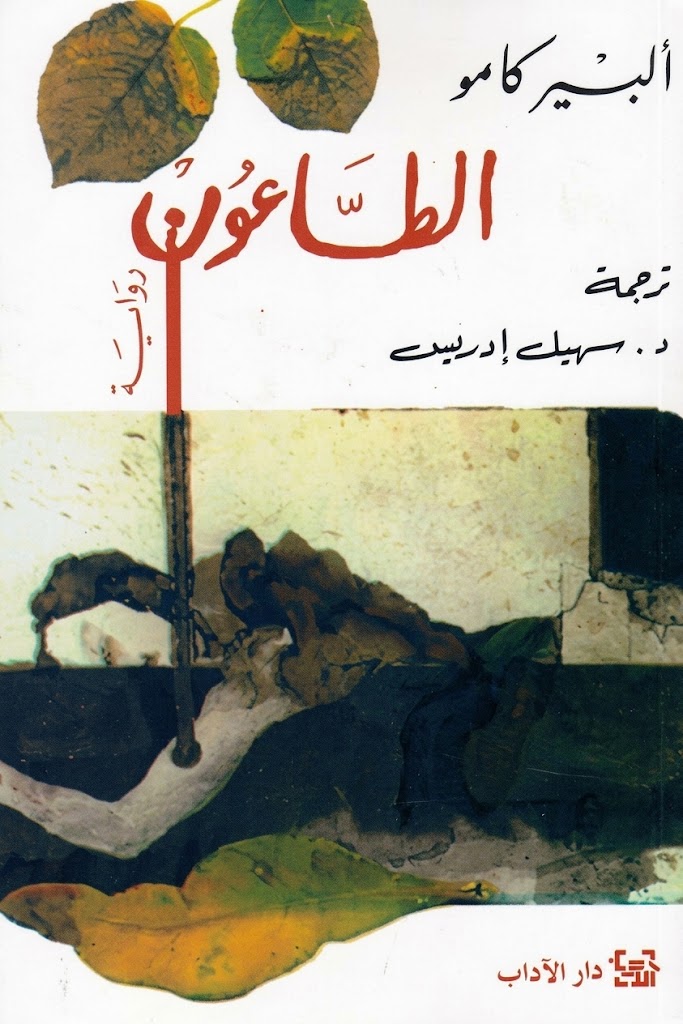
The Plague
.
The Plague (La Peste) by Nobel laureate Albert Camus (translated into Arabic by Dr. Suheil Idriss) is an iconic existential novel; depicting a sudden plague outbreak in the Algerian city of Oran, serving as an allegory for human suffering, isolation, and collective moral resistance against devastation.
About this book
The novel chronicles a devastating plague epidemic that grips the coastal Algerian city of Oran during the 1940s, prompting a strict blockade and isolating its inhabitants from the outside world. Through the resolute eyes of Dr. Bernard Rieux, the story documents the daily battle against infection, despair, and systemic collapse. Rieux continues his exhausting medical labor not out of grand heroism, but as a plain moral duty to preserve human lives. As characters like the idealistic Jean Tarrou form volunteer sanitary squads and others grapple with separation, fear, and philosophical reckonings, Camus constructs a multi-layered allegory for human fragility, total oppression, and totalitarian invasion. The narrative emphasizes that in a world shadowed by absurdity and destruction, salvation lies in solidarity, compassion, and persistent quiet resistance.
Why read it?
It is a profound and timely literary masterpiece that explores resilience, civic duty, and empathy during times of crisis, offering an unforgettable portrait of humanity's capacity to stand united against tragedy.
Who is it for?
Ideal for readers of modern world classics, students of philosophy and French literature, and general readers seeking deeply moving stories about human resilience, duty, and ethics.
Book details
Language
ar
ISBN-13
9789953893747
ISBN-10
9953893748
Page count
304
Age rating
13+