Book page
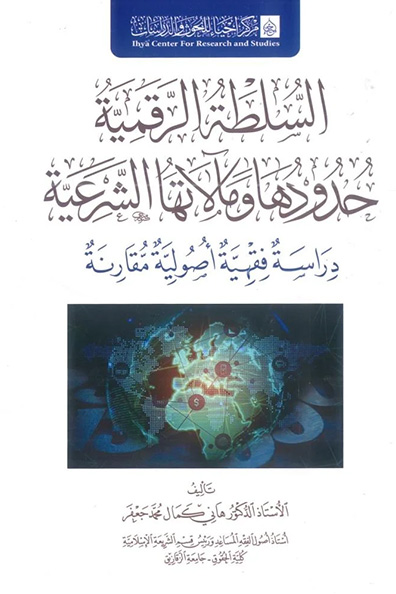
Digital Authority: Its Limits and Sharia Implications
A Comparative Jurisprudential and Usul Study
A contemporary legal and methodological study evaluating "Digital Authority" and technological control from the perspective of Islamic jurisprudence and jurisprudence outcomes (Ma'alat).
About this book
In this pioneering study, Prof. Dr. Hany Kamal Mohamed Gaafar addresses one of the most pressing challenges of the modern era: "Digital Authority." The author examines how algorithms, tech conglomerates, and artificial intelligence have assumed de facto power, steering human behavior and impacting socio-economic and political decisions.
Through the lens of Islamic legal methodology (Usul al-Fiqh)—specifically focusing on consequential jurisprudence (Ma'alat), blocking harm (Sadd al-Dhara'i), and higher objectives of Islamic law (Maqasid)—Dr. Gaafar outlines the legal boundaries necessary to govern digital influence. The book presents a comparative analysis with secular legal frameworks, establishing authentic Islamic guardrails against algorithmic bias, privacy violations, and technological overreach.
Through the lens of Islamic legal methodology (Usul al-Fiqh)—specifically focusing on consequential jurisprudence (Ma'alat), blocking harm (Sadd al-Dhara'i), and higher objectives of Islamic law (Maqasid)—Dr. Gaafar outlines the legal boundaries necessary to govern digital influence. The book presents a comparative analysis with secular legal frameworks, establishing authentic Islamic guardrails against algorithmic bias, privacy violations, and technological overreach.
Why read it?
Read it to gain a well-researched, comparative legal perspective on governing digital power and technology through Islamic jurisprudence and modern legal standards.
Who is it for?
Essential for scholars of Islamic jurisprudence (Fiqh), legal researchers, technology ethics specialists, and readers interested in modern digital philosophy and law.
Book details
Language
ar
ISBN-13
9789779610252
Page count
216
Age rating
Adults