Book page
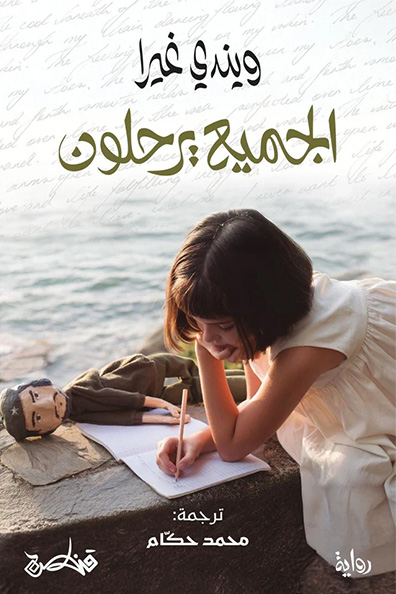
Everyone Leaves
Translated by: Mohamed Hakam
An intimate, semi-autobiographical novel written in a diary format, following a young girl named Nieve growing up in post-revolutionary Cuba during the late 1970s and 1980s. Caught in a bitter custody battle between her parents and isolated by a strict regime, writing becomes her sole means of survival and expression as she witnesses everyone she loves leave the island.
About this book
Based closely on the author's own life experiences between the ages of 8 and 20, "Everyone Leaves" is a powerful coming-of-age story set in Castro’s Cuba. The narrative unfolds through the secret diaries of Nieve Guerra, a young girl caught between a turbulent domestic life and a country in political unrest. After being torn away from her loving mother, she is forced to live with her abusive, alcoholic father, and is subjected to the rigid indoctrination of the state's "revolutionary Pioneers."
Through Nieve's evolving voice and expanding vocabulary, the novel offers a devastatingly honest portrayal of survival and resistance. The diary format masterfully captures the gaps and disruptions caused by trauma and political displacement. As Nieve grows into a young artist, she observes her world gradually emptying out; family, friends, and intellectuals flee the country one after another to escape economic depression and ideological conformity. The book stands as an unflinching testament to the human toll of political experiments and how patriarchal systems often betray women under the guise of revolutionary rhetoric.
Through Nieve's evolving voice and expanding vocabulary, the novel offers a devastatingly honest portrayal of survival and resistance. The diary format masterfully captures the gaps and disruptions caused by trauma and political displacement. As Nieve grows into a young artist, she observes her world gradually emptying out; family, friends, and intellectuals flee the country one after another to escape economic depression and ideological conformity. The book stands as an unflinching testament to the human toll of political experiments and how patriarchal systems often betray women under the guise of revolutionary rhetoric.
Why read it?
It delivers real news and unfiltered perspectives from Cuba through an intimate, lived experience rather than political abstractions.
Captivating Narrative Structure: The diary format is beautifully crafted, showing the realistic evolution of a child's voice growing into adolescence amidst trauma.
Universal Themes: It explores powerful, deeply relatable human experiences such as family dissolution, loneliness, the preservation of artistic freedom, and writing as a tool for emotional survival.
Captivating Narrative Structure: The diary format is beautifully crafted, showing the realistic evolution of a child's voice growing into adolescence amidst trauma.
Universal Themes: It explores powerful, deeply relatable human experiences such as family dissolution, loneliness, the preservation of artistic freedom, and writing as a tool for emotional survival.
Who is it for?
Readers who enjoy coming-of-age stories and contemporary Latin American literature.
Anyone interested in Cuban history, post-revolutionary society, and the literature of exile and political displacement.
Audiences looking for profound narratives about survival, female empowerment against patriarchal structures, and the resilience of the human spirit through art.
Anyone interested in Cuban history, post-revolutionary society, and the literature of exile and political displacement.
Audiences looking for profound narratives about survival, female empowerment against patriarchal structures, and the resilience of the human spirit through art.
Book details
Language
ar
ISBN-13
9789927200106
ISBN-10
9927200102
Page count
256
Age rating
13+
Content warnings
Self-harmSensitive themes